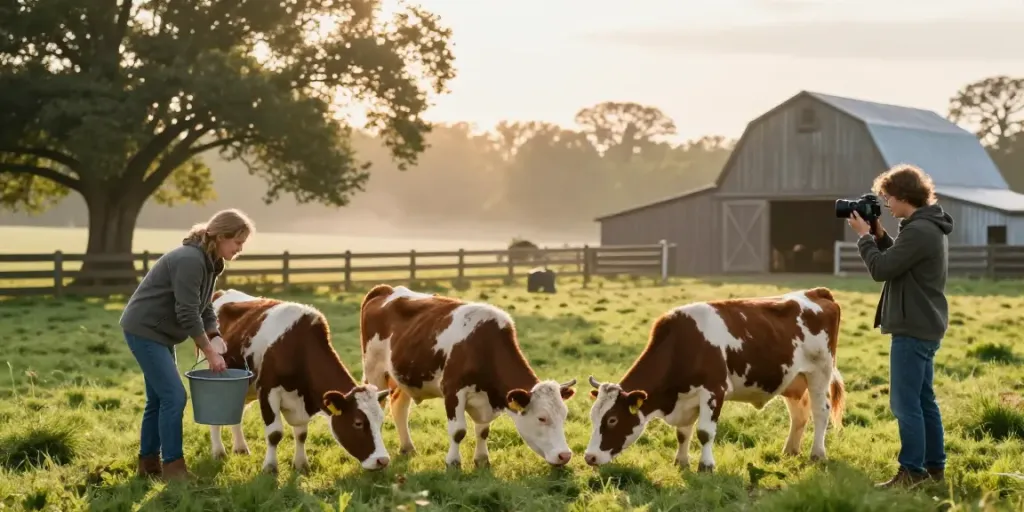
Understanding Mini Cattle: An Overview
Mini cattle are a growing trend among livestock enthusiasts due to their smaller size, manageable care requirements, and unique appeal. Unlike traditional cattle, these compact versions are genetically bred for their diminutive stature, typically standing less than 48 inches at maturity. This makes them suitable for smaller farms or hobby homesteads, where space may be limited. With their gentle demeanor and striking appearances, mini cattle serve various purposes from pets to working animals, each with distinct advantages. When exploring options, mini cattle provide comprehensive insights into their care, breeding, and availability.
What Are Mini Cattle?
Mini cattle are small breeds of cattle that offer the same benefits as their larger counterparts but require less space and resources. Typically weighing between 300 to 800 pounds, they are perfect for individuals or families looking to raise cattle without the extensive management that larger breeds necessitate. These charming animals come in various breeds, showcasing diverse colors and temperaments that can fit different lifestyles and farming needs.
Benefits of Raising Mini Cattle
- Space Efficiency: Mini cattle require far less pasture than standard-sized breeds, reducing land costs and allowing for more sustainable farming practices.
- Lower Feed Costs: Smaller size means they consume less feed, which is a significant saving for ranchers and hobby farmers alike.
- Gentle Temperament: These cows are often easier to handle, making them ideal for families and novice owners.
- Versatility: Mini cattle can serve various roles, from pets to show animals or even as part of homesteading environments where milk, meat, or companionship is desired.
Common Breeds of Mini Cattle Available
Several breeds of mini cattle are popular among farmers and hobbyists. Some of the most sought-after varieties include:
- Mini Highland: Known for their long hair and sturdy build, these cows are both beautiful and hardy.
- Mini Hereford: These cattle are friendly and easy to manage, making them great options for families.
- Mini Jersey: Famous for their rich milk, Mini Jerseys are a favorite among dairy enthusiasts.
- Mini Zebu: With their unique hump and calm temperament, Mini Zebus are perfect for warmer climates.
- HighPark: A hybrid breed that combines the best traits of different lineages.
Choosing the Right Mini Cattle for Your Needs
When selecting mini cattle, it's crucial to consider various factors to ensure the best fit for your farm or homestead. The right breed can significantly impact your experience as a cattle owner and the animals' overall well-being.
Factors to Consider When Buying Mini Cattle
- Purpose: Determine whether you're looking for show animals, milk production, or simply friendly companions.
- Space and Environment: Assess your available pasture and facilities. Ensure your land can accommodate the needs of the cattle you choose.
- Temperament: Different breeds have unique personalities; consider how they will fit into your lifestyle and existing livestock.
Comparing Breeds: Mini Highland vs. Mini Hereford
Two of the most popular breeds among mini cattle enthusiasts are Mini Highland and Mini Hereford. Mini Highland cattle are often recognized for their long hair and distinctive looks, making them a favorite in show rings. In contrast, Mini Herefords are known for their friendly dispositions and excellent meat quality. Depending on your needs—whether it's aesthetics, temperament, or production—understanding these differences can aid your decision.
Assessing Your Farm's Space and Resources
Even though mini cattle require less space compared to their larger counterparts, assessing your farm's layout is crucial. Miniatures still need a clean, safe environment to thrive. Additionally, consider your budget for feed, shelter, and veterinary care when planning your cattle ownership journey.
The Buying Process: Steps to Purchasing Mini Cattle
The process of buying mini cattle involves several steps that ensure you make an informed and ethical choice.
How to Find Reliable Mini Cattle Breeders
Start your search by looking for reputable breeders who specialize in mini cattle. Look for farms with positive reviews and a good reputation in the agriculture community. Checking for certifications and affiliations with organizations can also help ensure you're dealing with a reliable source.
In-Person Visits vs. Remote Buying
If possible, visiting the farm in person is the ideal way to assess the living conditions of the animals and meet them before making a decision. However, many breeders, including Mini Moo Alpaca Too Farm, provide the option to purchase mini cattle remotely, making it easier for buyers across the country.
Documentation and Ownership-Transfer Process
Once you've selected your mini cow, it's essential to complete the necessary documentation for the ownership transfer. This process involves filling out specific forms that detail the animal's health history, registration details, and other pertinent data. Reliable breeders will assist you throughout this process to ensure that everything is handled correctly.
Transportation and Care for Your New Mini Cattle
Arranging safe transportation for your new miniature cattle is crucial for their health and well-being. Understanding how to properly care for these animals once they arrive is equally important.
Arranging Safe Transportation for Mini Cattle
When you have completed the purchase process, coordinate with the breeder to arrange transportation. Many breeders offer personal transportation services to deliver your mini cow directly to your location. Ensure that the transport vehicle is comfortable and secure to minimize stress for the animal during transit.
Preparing Your Farm for New Arrivals
Before your mini cows arrive, ensure that your farm is ready for them. This includes setting up appropriate fencing, preparing shelter, and stocking up on feed and supplies. A well-organized environment will help your new pets acclimate quickly.
Post-Purchase Care: Feeding and Shelter Needs
Feeding and sheltering your mini cattle correctly is essential for their health. Depending on the breed and age, nutritional requirements may vary. Consult with your veterinarian or a livestock nutritionist to develop a proper feeding plan. Ensure there is a clean and dry space for shelter that protects them from adverse weather conditions.
Future Trends in the Mini Cattle Industry
As the popularity of mini cattle continues to rise, it’s essential to stay informed about emerging trends within the industry.
Market Predictions for Mini Cattle in 2026
The market for mini cattle is expected to grow significantly by 2026. Increased interest in sustainable farming and the miniaturization of livestock breeds is leading to a burgeoning demand. As more people embrace the joys of livestock farming, mini cattle are likely to be at the forefront of this trend.
Emerging Breeds and Innovations in Breeding
Innovations in breeding techniques are yielding new hybrid breeds that could offer enhanced traits for health, temperament, and productivity. Keeping an eye on these developments can provide insights into future mini cattle options that may suit your needs.
Community and Resources for Mini Cattle Owners
Joining local or national mini cattle associations can provide valuable resources, networking opportunities, and educational materials for new owners. Engaging with the community fosters knowledge sharing and support, which is invaluable for your cattle-raising journey.
How much do mini cows cost?
The cost of mini cows can vary greatly depending on the breed, age, and health. Generally, you can expect to pay anywhere from $1,500 to $4,000 or more for a quality animal. Breeds like Mini Highlands and Mini Jerseys often sit at the higher end of this spectrum due to their popularity and unique qualities.
What is the smallest breed of cattle?
The smallest breed of cattle is typically the Mini Zebu, which can be as small as 36 inches in height. They are often kept for their docile nature and adaptability to warmer climates, making them an appealing option for many small-scale farmers.
What are mini cattle good for?
Mini cattle are versatile animals that are excellent for multiple purposes, including as pets, milk producers, and for meat. Their smaller size means they can fit well into smaller farming operations or even suburban areas where larger cattle would not be practical.
How big do mini cows get?
Most mini cows reach heights between 36 to 48 inches at the shoulder and weigh between 300 to 800 pounds at maturity, depending on the breed. Despite their size, they still require adequate care and management, similar to full-sized cattle.