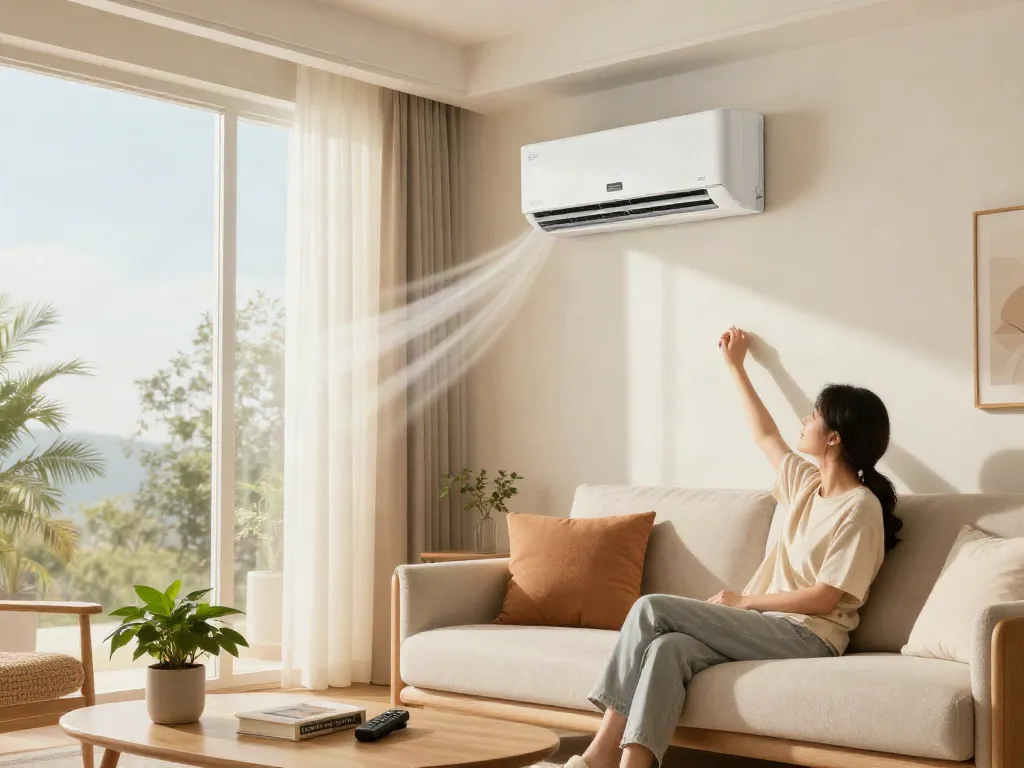
Understanding Mini Split Air Conditioners
As the climate continues to change, finding effective and energy-efficient cooling solutions for your home is more important than ever. One increasingly popular option is the mini split of air conditioner, known for its versatility and efficiency. These systems are designed to provide both cooling and heating, making them ideal for homeowners looking to maximize comfort without sacrificing energy efficiency. This article will explore what mini split air conditioners are, their advantages, and how to choose the right system for your needs.
What is a Mini Split Air Conditioner?
A mini split air conditioner is a type of ductless HVAC system that consists of two main components: an outdoor unit and one or more indoor air handlers. This configuration allows for efficient climate control in individual rooms or zones, providing targeted cooling and heating as needed. Unlike traditional central air systems, mini splits do not require ductwork, making them a suitable choice for homes without existing ducts or those looking to enhance their current HVAC system.
Advantages of Mini Split Systems
Mini split air conditioners offer several benefits that make them a compelling choice for many homeowners:
- Energy Efficiency: Mini splits are designed to operate quietly and consume less energy compared to traditional systems. Their inverter technology allows the compressor to adjust its speed based on the current demand, which can lead to significant energy savings.
- Flexible Installation: The absence of ductwork means that mini splits can be installed in various locations, including walls and ceilings, without extensive renovations.
- Zone Control: Homeowners can customize their heating and cooling based on specific room needs, ensuring comfort while minimizing waste.
- Quiet Operation: Unlike traditional HVAC systems, mini splits operate quietly, making them ideal for bedrooms or offices.
Common Misconceptions About Mini Splits
Despite their growing popularity, many myths surround mini split systems. One common misconception is that they can only be used in warmer climates. In reality, modern mini splits are designed to function effectively in a wide range of temperatures, making them suitable for many regions. Additionally, some people believe that mini splits are more expensive to install than traditional systems; however, the savings on energy bills can offset these initial costs over time.
Key Considerations for Choosing a Mini Split System
When selecting a mini split air conditioner, it's essential to take several factors into account to ensure optimal performance. Understanding your home’s specific cooling needs and budget will help you make an informed decision.
Assessing Your Home’s Cooling Needs
Begin by evaluating the size of the space you wish to cool or heat. Mini split systems are available in various capacities, typically measured in BTUs (British Thermal Units). A qualified HVAC professional can perform a load calculation to determine the appropriate size based on your home’s insulation, square footage, and local climate.
Energy Efficiency Ratings and Energy Savings
Look for mini split models with high Energy Efficiency Ratio (EER) and Seasonal Energy Efficiency Ratio (SEER) ratings. These metrics indicate how effectively the unit uses electricity to provide cooling. Higher ratings equate to better efficiency, which can lead to lower utility bills.
Cost Factors: What to Expect
The total cost of installing a mini split system can vary widely based on the number of units required, the complexity of the installation, and local labor rates. On average, homeowners can expect to pay anywhere from $3,000 to $7,000 for a complete installation, including the unit and labor. Be sure to factor in potential rebates and energy credits that may be available in your area.
Installation of Mini Split Air Conditioners
Installing a mini split air conditioner requires thoughtful planning and execution. Deciding between a DIY approach and hiring professionals is crucial to ensuring safety and efficiency.
DIY vs Professional Installation
While some homeowners may feel comfortable attempting a DIY installation, it is often best to hire a licensed HVAC professional. Professional installers have the training and experience to handle refrigerants and ensure the system operates correctly, as improper installation can lead to significant inefficiencies and even system failure.
Best Practices for Installation
For those taking the DIY route, proper placement of the indoor and outdoor units is critical. Indoor units should be positioned to maximize airflow while avoiding direct sunlight, and outdoor units should be placed in a well-ventilated area. Additionally, following the manufacturer’s installation guidelines is essential for warranty compliance.
Common Challenges During Installation
Homeowners may face various challenges during installation, such as navigating wall structures or managing refrigerant lines. Being mindful of local building codes and regulations is important to avoid legal issues. Furthermore, if the installation involves electrical work, ensuring that safety protocols are followed is paramount.
Top Mini Split Brands and Models for 2026
With an expanding market of mini split systems, choosing the right brand and model can be overwhelming. Here are some well-regarded options for 2026:
Leading Brands in the Mini Split Market
Several brands stand out for their reliability and performance:
- Mitsubishi Electric: Known for their energy-efficient models and robust warranty options.
- Daikin: Offers a wide range of mini split systems with advanced technology and innovative features.
- LG: Provides stylish designs and high performance, combining aesthetics with efficiency.
- Pioneer: Known for budget-friendly options without compromising quality or performance.
Comparison of Top Models
When considering specific models, pay attention to features such as smart home integration, mobile app control, and programmable settings. Comparing BTU output, SEER ratings, and price can help narrow down choices.
Customer Reviews and Ratings
Reading customer reviews can provide insights into reliability and performance. Look for feedback on how well the air conditioners maintain desired temperatures and their noise levels during operation.
Future Trends in Mini Split Air Conditioning
The mini split market is evolving rapidly, driven by advancements in technology and growing environmental concerns.
Technological Innovations in Mini Splits
Expect to see increased integration of smart technology in mini splits. Features such as voice activation, machine learning for optimized cooling patterns, and improved mobile app functionalities will enhance user experience and energy management.
Sustainability and Energy Efficiency Trends
As the global focus on sustainability intensifies, manufacturers are developing mini split systems that use eco-friendly refrigerants and comply with stricter energy guidelines. These advances contribute to more environmentally responsible cooling options.
Predictions for the Mini Split Market
The mini split air conditioner market is forecasted to continue growing, fueled by rising demand for energy-efficient systems and the increasing number of retrofits in older homes. More homeowners are realizing the long-term cost benefits and performance advantages of these systems.
What are the Benefits of Mini Split Air Conditioners?
Mini split systems provide numerous benefits that address common homeowner needs, including:
- Energy-efficient cooling and heating options.
- Flexible installation with minimal disruption.
- Enhanced air quality through multi-stage filters.
- Quiet operation that suits various environments.
How is a Mini Split Different from a Traditional AC?
Unlike traditional air conditioning systems, mini splits don’t require ductwork, making them easier to install in existing homes. They also offer greater energy efficiency due to zone cooling capabilities, allowing users to cool only the rooms they are using.
How to Maintain Your Mini Split Air Conditioner?
Regular maintenance is crucial for optimal performance. Homeowners should clean the filters monthly, schedule professional inspections annually, and ensure that the outdoor unit is free from debris and proper airflow.
What are the Installation Costs for Mini Split Systems?
Installation costs can range widely based on the model and complexity of the setup. Homeowners should consider obtaining multiple quotes from installers and discussing potential rebates or financing options.
Are Mini Split Systems Noisy?
Mini split systems are typically much quieter than traditional HVAC systems. Indoor units are designed to operate at decibel levels comparable to a whisper, making them suitable for bedrooms and quiet environments.
How to Troubleshoot Common Mini Split Issues?
Common issues include inconsistent cooling, unusual noises, and communication errors between the indoor and outdoor units. Homeowners can address many of these problems by regularly checking filters, ensuring proper installation, and consulting professional service if issues persist.