Understanding Sheriff Campaign Marketing
In the ever-evolving landscape of political campaigns, sheriff campaign marketing has emerged as a vital component for candidates aiming to secure their positions in this crucial public safety role. Given the increasing competition and the diverse electorate, a well-planned and executed marketing strategy is imperative. This article explores the essentials of sheriff campaign marketing, leveraging data-driven approaches and innovative outreach strategies to ensure candidates effectively connect with voters.
What is Sheriff Campaign Marketing?
At its core, sheriff campaign marketing refers to the tailored strategies used by candidates running for sheriff to engage voters and communicate their messages effectively. This encompasses a range of tactics, including data analysis, targeted outreach, digital advertising, and community engagement. The goal is to build a recognizable brand, foster community trust, and ultimately drive voter turnout.
The Importance of Voter Data in Effective Campaigns
Data is the backbone of any successful campaign. Understanding voter demographics, preferences, and behaviors enables candidates to tailor their messaging and outreach efforts. For sheriff campaigns, having access to comprehensive voter data can drastically improve targeting and engagement. When exploring options, sheriff campaign marketing services provide candidates with crucial insights and updated voter files to ensure campaigns are not only effective but also efficient.
Data-Driven Approaches to Campaigns
Utilizing Updated Voter Files for Strategic Decisions
To make informed decisions, campaigns should leverage updated voter files that provide detailed information on each voter within the district. These files include names, addresses, and phone numbers, which are essential for direct outreach. Campaigns can strategically segment this data to tailor communications based on various factors like voter history and demographic information.
Advanced Targeting Techniques for Sheriff Campaigns
Advanced targeting techniques involve using voter data to identify key groups within the electorate. By segmenting voters based on age, gender, race, and political affiliation, campaigns can craft personalized messages that resonate with specific segments. For instance, younger voters might be more responsive to digital outreach, while older voters may prefer traditional methods such as flyers or door-to-door canvassing.
Building Custom Data Cuts for Specific Demographics
Every sheriff campaign has unique needs depending on the district’s demographics. Custom data cuts allow campaigns to focus on specific geographic or demographic segments, ensuring outreach efforts are maximized. By knowing precisely who to target, candidates can allocate resources more effectively and create relevant messaging that addresses the concerns of these groups.
Marketing Tools and Platforms
Effective Use of Digital Advertising in Campaigns
In today's digital age, effective advertising platforms can significantly enhance a campaign's reach. Utilizing social media ads, Google ads, and even local news websites can create a multifaceted approach to engaging voters. Visual content, such as videos and graphics, tends to attract more attention, making it important to invest in high-quality production.
Optimizing Campaign Websites for Engagement
Your campaign website serves as a central hub for information and engagement. It should be optimized for both user experience and search engines. Clear navigation, accessible information about policies, and an easy-to-use donation platform are crucial. Ensuring that the website is mobile-friendly is also essential, as a significant portion of users will access it via smartphones.
The Role of Political SEO in Visibility
Search Engine Optimization (SEO) is key to improving the visibility of a campaign online. By using relevant keywords and optimizing content around topics of interest, candidates can significantly enhance their chances of appearing in search results. This not only drives organic traffic but also establishes authority and credibility within the community.
Managing Community Engagement and Outreach
Creating Impactful Campaign Events
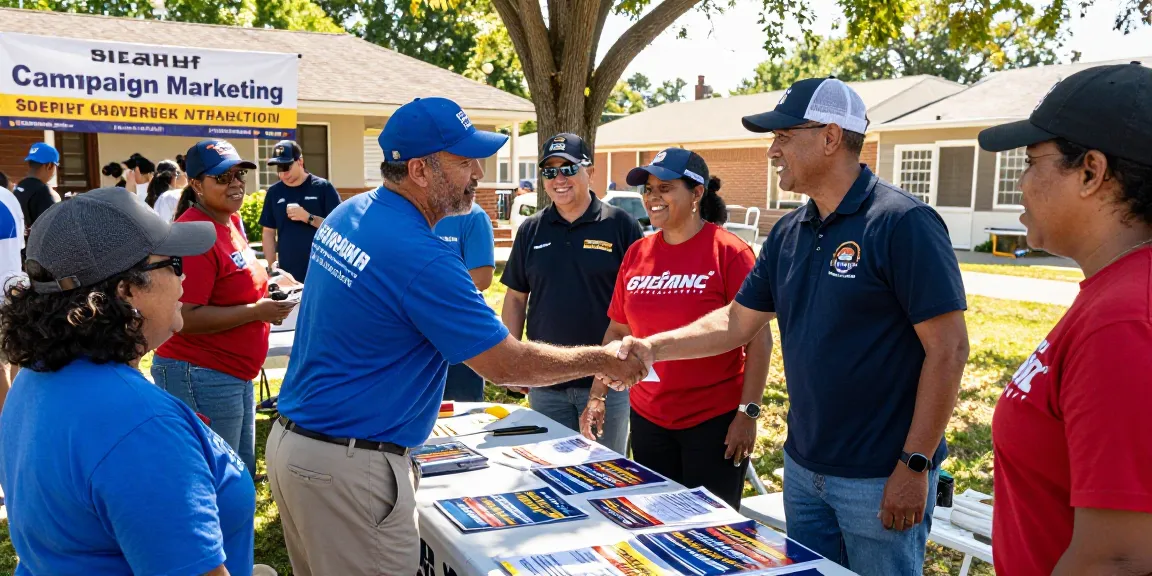
Engaging with the community through events can create lasting impressions. Town halls, meet-and-greets, and community service initiatives allow candidates to connect with voters on a personal level. These events should be advertised through multiple channels to maximize attendance and engagement.
Leveraging Social Media for Voter Interaction
Social media platforms offer a unique opportunity for two-way communication between candidates and voters. By leveraging platforms like Facebook, Twitter, and Instagram, campaigns can share updates, respond to voter inquiries, and foster a sense of community. Regular updates and engaging content, such as polls or Q&A sessions, can enhance voter interaction.
Building Partnerships with Local Organizations
Collaborating with local organizations, such as community groups, advocacy organizations, and non-profits, can amplify a campaign's outreach efforts. These partnerships can provide valuable insights into the community's needs and help candidates tailor their messages accordingly. Additionally, joint events can expand reach and create more involvement among voters.
Measuring Campaign Success
Key Performance Metrics for Political Campaigns
To gauge the effectiveness of campaign strategies, candidates should establish clear performance metrics, such as voter engagement rates, event attendance, and digital ad performance. Tracking these metrics helps in making informed adjustments to strategies as the campaign progresses.
Assessing the Effectiveness of Campaign Messaging
The resonance of campaign messaging can be assessed through focus groups, surveys, and social media feedback. Understanding which messages are well-received and which are not can guide future campaigning efforts, ensuring that candidates are speaking directly to the concerns and values of voters.
Future Trends in Campaign Measurement and Strategy
Moving forward, the integration of artificial intelligence and machine learning into campaign strategies will likely allow for more sophisticated data analysis. Predictive analytics can identify trends and voter behavior patterns, offering insights that can shape future outreach efforts and marketing strategies.
What are the best practices for rallying voter support?
Best practices for rallying voter support include transparent communication, addressing community concerns, and being responsive to voter feedback. Authenticity plays a crucial role; candidates who demonstrate genuine concern for their constituents’ needs tend to build stronger connections and trust.
How does data improve targeting in political campaigns?
Data enhances targeting by allowing campaigns to analyze voter profiles and behaviors. With this information, campaigns can tailor their outreach efforts to specific demographics, ensuring that messages are relevant and impactful.
What digital tools are essential for sheriff campaigns?
Essential digital tools for sheriff campaigns include voter database software for managing contact lists, social media management tools for scheduling posts, and analytics platforms that measure the effectiveness of online ads and engagement strategies.
How can campaigns build community trust?
Building community trust involves consistent, transparent communication and active participation in local events. Demonstrating a commitment to community issues through engagement and outreach initiatives can effectively foster trust among voters.
What trends are emerging in voter engagement for 2026?
As we approach the 2026 cycle, trends indicating an increase in digital engagement through platforms like TikTok and other emerging social media are expected. Candidates will need to adapt their strategies to leverage these platforms effectively, ensuring they connect with younger voters.